Just a few years ago, Smart Office solutions were mainly associated with modern headquarters and large corporate environments.
Today, the situation looks very different.
Rising office costs, hybrid work, and the growing need for better workplace management are driving organizations to see Smart Office not as a “technology trend,” but as a practical tool for reducing costs and improving office efficiency.
One question, however, almost always comes up:
How much does a Smart Office cost — and when does the investment start paying off?
The answer depends on several key factors.
What affects the cost of Smart Office implementation?
The cost of a Smart Office solution depends primarily on:
- office size
- number of employees
- number of integrations
- workplace management requirements
- level of automation
A Smart Office implementation for a 50-person office will naturally look very different from one designed for an organization with multiple floors and hundreds of employees.
That is why Smart Office pricing should not be viewed as the cost of a single product, but rather as a complete workplace management ecosystem.
What does a Smart Office system typically include?
A modern Smart Office solution may include:
- desk booking
- meeting room booking
- parking management
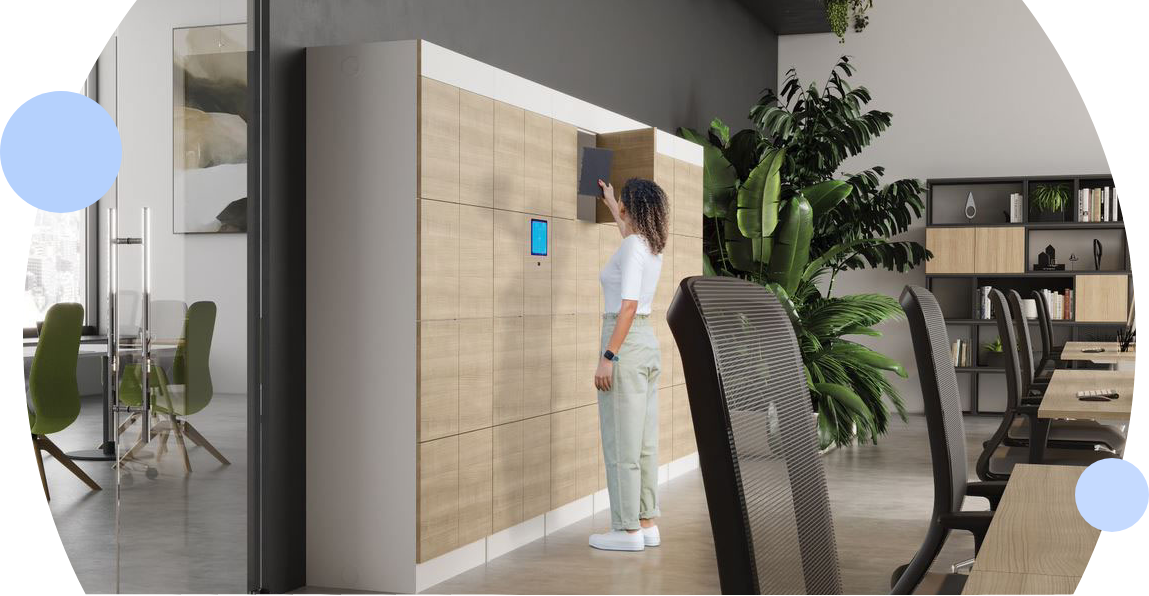
- locker booking
- workplace occupancy analytics
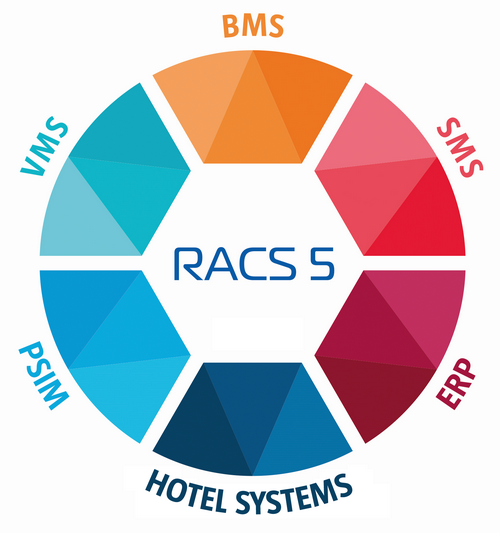
- integrations with Microsoft Teams and Outlook
- presence sensors
- visitor management
- workplace utilization reporting
In practice, most organizations start with:
- a desk booking system
- a meeting room booking system
- workplace analytics
These are usually the features that generate measurable business value the fastest.
Smart Office cost – how much does implementation cost?
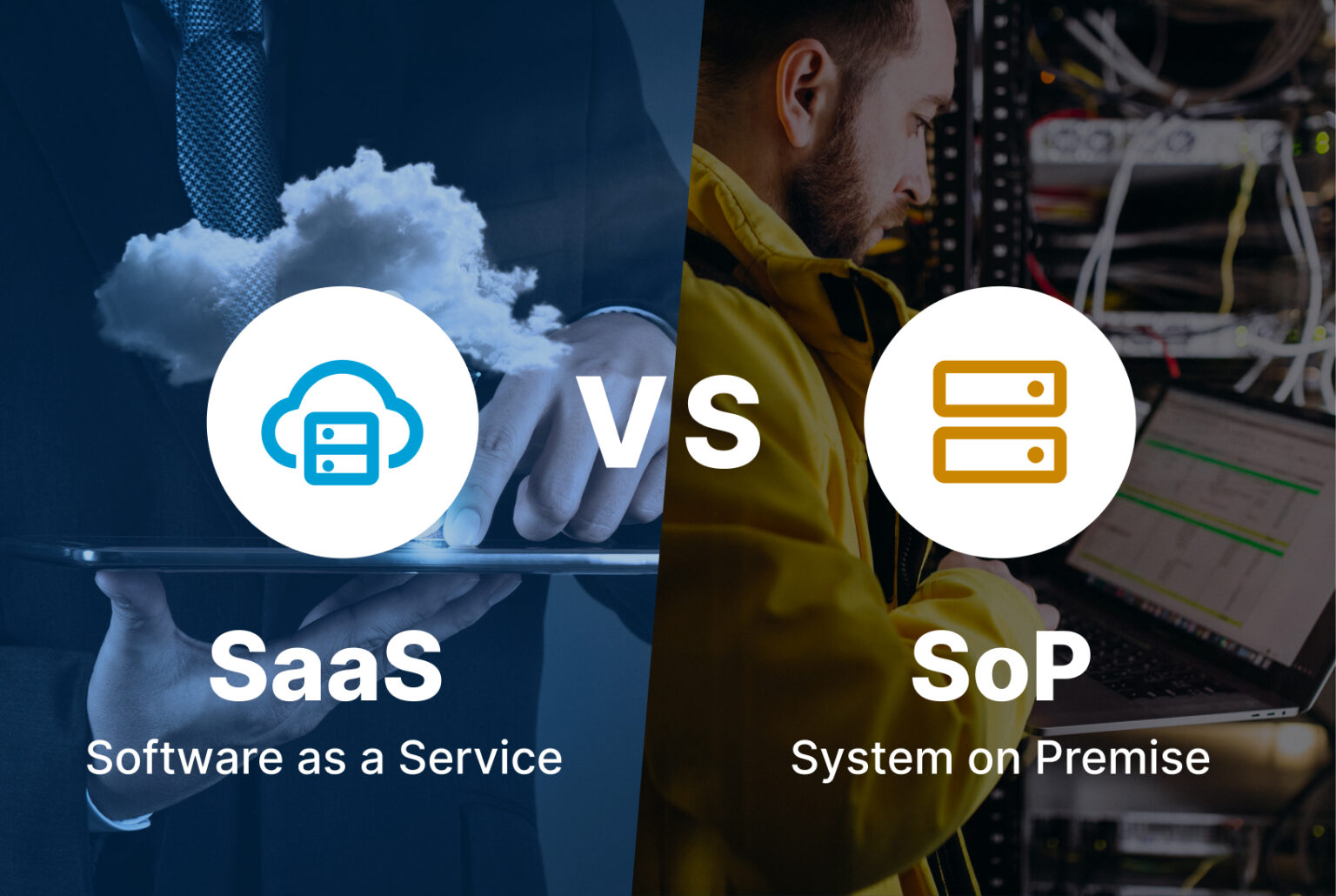
The cost of implementing a Smart Office solution depends largely on the delivery model.
Most organizations today use a Software-as-a-Service (SaaS) subscription model with monthly or annual pricing.
Typically, pricing may include:
- software licensing
- implementation and setup
- office configuration
- integrations
- employee onboarding
- technical support
- ongoing platform development
In practice, Smart Office costs may start from a relatively low monthly fee for smaller organizations and scale depending on business size and workplace complexity.
The biggest pricing factors usually include:
- number of users
- number of office locations
- additional modules and features
- sensors and hardware
- level of customization
Why are companies investing in Smart Office?
Not long ago, employee convenience was the main reason organizations implemented Smart Office solutions.
Today, the biggest driver is cost optimization.
More and more organizations realize that:
- office occupancy is highly uneven
- parts of the office remain empty
- meeting rooms are blocked by fake or unused reservations
- workplace availability data is missing
This often leads to unnecessary — and sometimes substantial — operational losses.
Smart Office helps organizations regain control over office space and make decisions based on data rather than assumptions.
How does Smart Office help reduce costs?
The biggest savings usually appear across several key areas.
1. Reducing unused office space
Workplace analytics provides visibility into:
- actual employee attendance
- desk utilization
- meeting room occupancy
- peak usage periods
This enables organizations to:
- reduce underutilized office space
- improve office layout planning
- optimize the number of workstations
For many businesses, this creates an opportunity to reduce office footprint by several — or even dozens of — percentage points.
2. Better meeting room utilization
In many organizations, meeting rooms are:
- booked but never used
- blocked for entire days unnecessarily
- occupied by much smaller teams than originally planned
A meeting room booking system helps organizations:
- eliminate ghost bookings
- improve workspace availability
- optimize meeting organization and room allocation
The result is better use of existing office infrastructure — without expanding space.
3. Lower operational costs
Smart Office solutions can also help reduce:
- energy consumption
- workplace maintenance costs
- unnecessary infrastructure usage
- operational inefficiencies
This becomes particularly important in the context of:
- rising energy costs
- ESG requirements
- office cost optimization strategies
When does Smart Office start paying off?
This is one of the most common questions organizations ask.
The return on investment depends on:
- organization size
- current office costs
- the level of unused office space
- implementation scope
- optimization opportunities
In practice, many organizations begin to notice measurable benefits within the first few months after implementation.
ROI most commonly comes from:
- reducing underutilized office space
- improving workplace utilization
- better attendance planning
- lowering operational costs
- reducing hybrid work inefficiencies
Generally speaking, the larger the organization and office footprint, the faster Smart Office begins generating savings.
Is Smart Office only for large enterprises?
Not anymore.
Smart Office solutions are increasingly being adopted by:
- mid-sized companies
- hybrid organizations
- coworking spaces
- modern regional offices
Even smaller organizations working in hybrid models increasingly face challenges related to:
- desk reservations
- office utilization
- coordinating employee attendance
- lack of workplace data
This is why Smart Office is no longer reserved for large corporations.
Smart Office and hybrid work
Hybrid work has fundamentally changed how offices are used.
Organizations no longer need office space designed for 100% daily attendance.
Instead, they need:
- flexible workplace management
- real-time workplace availability data
- tools for attendance planning
- smarter office space utilization
This is exactly why Smart Office is becoming one of the key pillars of modern workplace management.
Summary
The cost of Smart Office depends on:
- organization size
- feature scope
- number of users
- level of automation
- integrations and analytics capabilities
However, the most important question is not:
“How much does Smart Office cost?”
But rather:
How much is the lack of workplace data and underutilized office space costing your business?
In hybrid work environments, Smart Office is increasingly becoming more than just an add-on.
It is a practical tool for reducing costs, improving workplace utilization, and enabling smarter office management.
FAQ – Smart Office Cost
How much does a Smart Office cost?
The cost of a Smart Office solution depends on the number of users, system features, integrations, and office size. Most organizations use a SaaS subscription model, with pricing tailored to the scope of implementation.
What does a Smart Office system include?
A Smart Office solution may include:
- desk booking
- meeting room booking
- workplace analytics
- occupancy analytics
- parking management
- presence sensors
- integrations with Microsoft Teams and Outlook
Can Smart Office help reduce office costs?
Yes.
Smart Office helps organizations improve office utilization, reduce underused desks and meeting rooms, and lower operational costs through better workplace management and data-driven decision-making.
When does Smart Office start paying off?
Many organizations begin seeing measurable savings within the first few months after implementation — especially in hybrid work environments and larger office spaces.
Is Smart Office suitable for smaller businesses?
Yes.
More mid-sized and smaller organizations are implementing Smart Office solutions, particularly when operating in hybrid work models.
Does Smart Office support ESG goals?
Yes.
Smart Office can help reduce energy consumption, improve workplace efficiency, optimize office space, and lower an organization’s carbon footprint.